Charting Incentive Pathways Across Multi-Tiered Reward Systems in Digital Reel Environments
Elena Otto · Jun 9, 2026
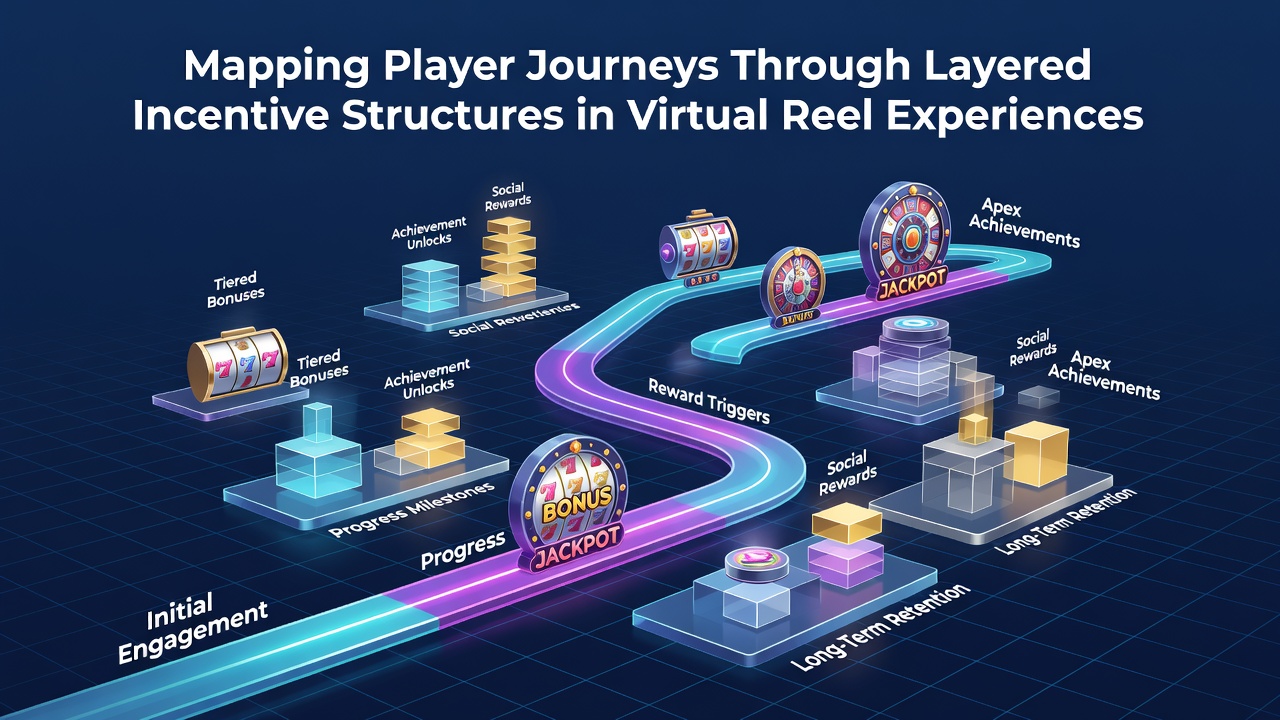
Charting Incentive Pathways Across Multi-Tiered Reward Systems in Digital Reel Environments
Virtual reel platforms organize player engagement through sequenced incentive layers that begin with entry-level access and extend toward sustained participation, and these structures create defined routes that operators track via behavioral data points. Researchers at institutions such as the University of Nevada Reno have documented how initial no-deposit trials convert into deposit-based sequences when users encounter matched rewards that scale with activity volume, while subsequent tiers introduce time-limited events and loyalty multipliers that maintain momentum across sessions.
Initial Access Layers and Conversion Points
Entry incentives typically consist of fixed spin allotments delivered upon registration, and these prompts encourage immediate interaction with core mechanics before any financial commitment occurs. Data from the Nevada Gaming Control Board indicates that conversion rates rise when operators sequence these trials directly into deposit prompts that carry percentage matches, and the transition often incorporates daily login streaks that accumulate additional credits without separate funding steps. Observers note that players who complete the first streak segment show higher retention into the second week compared with those who bypass the sequence entirely.
Progression Through Deposit-Linked Stages
Once an account moves past the trial phase, layered systems introduce deposit thresholds that unlock escalating match percentages alongside free spin bundles tied to specific titles. These bundles frequently connect to tournament entries where accumulated points determine leaderboard placement, and the structure channels activity toward peak hours when multipliers apply. Reports compiled by the American Gaming Association highlight that players navigating these deposit-linked stages maintain session lengths that average 25 percent longer than those limited to base play, because the combined rewards create overlapping completion criteria that reward continued spins.
Mid-Level Engagement and Streak Mechanics
Mid-tier incentives blend recurring reload offers with mobile-specific boosts that activate during particular time windows, and these elements sit between starter rewards and elite status tracks. When a user logs in via app, the system may surface a separate boost that stacks onto existing reload percentages, yet the eligibility window closes after a set number of days to prompt regular returns. Studies from the Canadian Institute for Gaming Research show that such time-bound boosts correlate with increased cross-device activity, because the mobile layer functions as an independent trigger that does not replace desktop pathways.
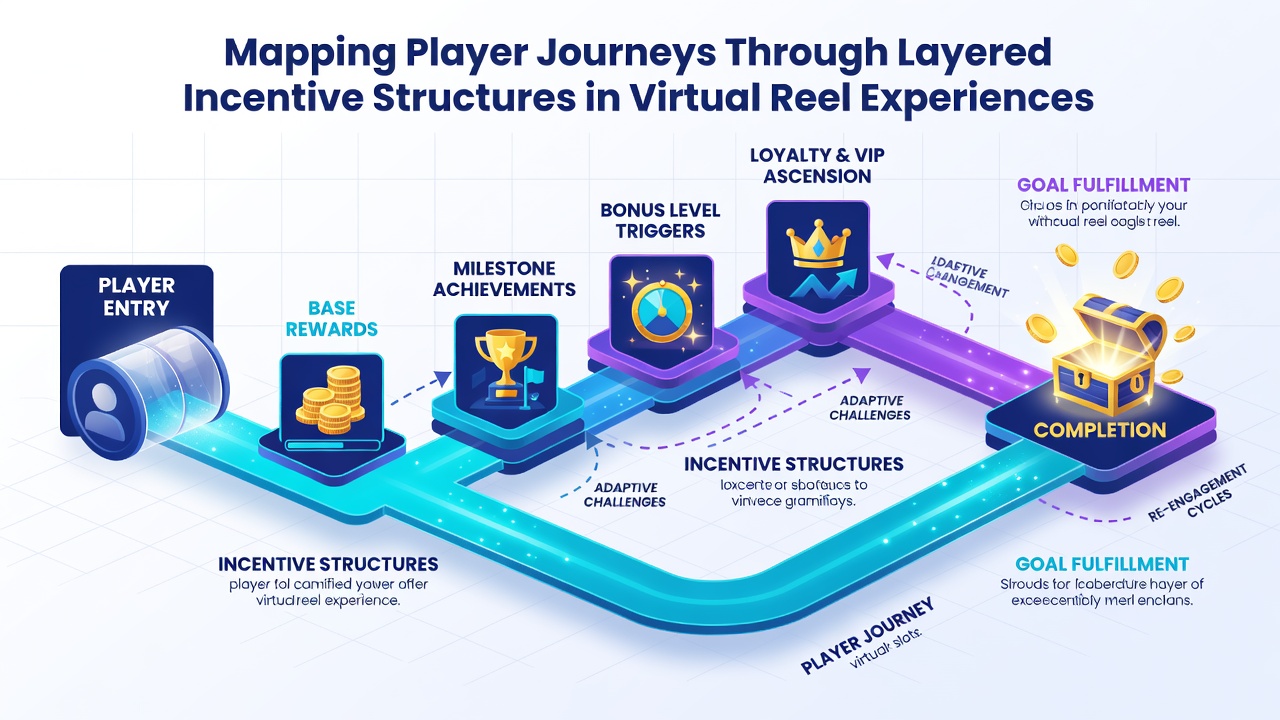
Streak mechanics themselves operate on consecutive-day counters that reset upon missed logins, and operators link these counters to escalating prize pools that become visible only after a minimum streak length is reached. The design ensures that each completed day feeds directly into teh next visible goal, while hidden high-value triggers remain available for users who exceed baseline requirements.
Elite Tiers and Long-Term Retention Routes
At the uppermost layers, systems shift emphasis toward personalized jackpot trails and VIP exclusives that require accumulated play volume across multiple months. These routes incorporate invitation-only tournaments alongside dedicated account managers who surface custom reload structures, and the progression depends on metrics that combine total wagers with frequency of engagement. Figures released by the Australian Gambling Research Centre in June 2026 revealed that accounts reaching this tier exhibit retention intervals averaging four times those recorded at entry level, largely because the incentive set expands to include physical event access and priority support channels.
Operators monitor these elite pathways through segmented dashboards that flag when a player approaches the next threshold, and the system automatically surfaces preview offers that preview upcoming exclusives. The approach keeps the journey visible without requiring users to request status updates, and it maintains continuity between digital rewards and occasional offline components such as hosted experiences.
Conclusion
Layered incentive structures in virtual reel environments function as interconnected sequences that guide accounts from initial trials through deposit cycles, streak mechanics, and elite status routes. Data collected across regulatory jurisdictions and academic studies demonstrates measurable differences in session duration and retention when operators align reward triggers with player activity patterns. As platforms refine these sequences in 2026, the mapping of progression points continues to rely on transparent eligibility criteria and overlapping completion goals that sustain engagement across devices and time frames.