Handheld Loyalty Systems: Mapping Everyday Slot Play to Competitive Events
Elena Otto · Jul 23, 2026
Handheld Loyalty Systems: Mapping Everyday Slot Play to Competitive Events
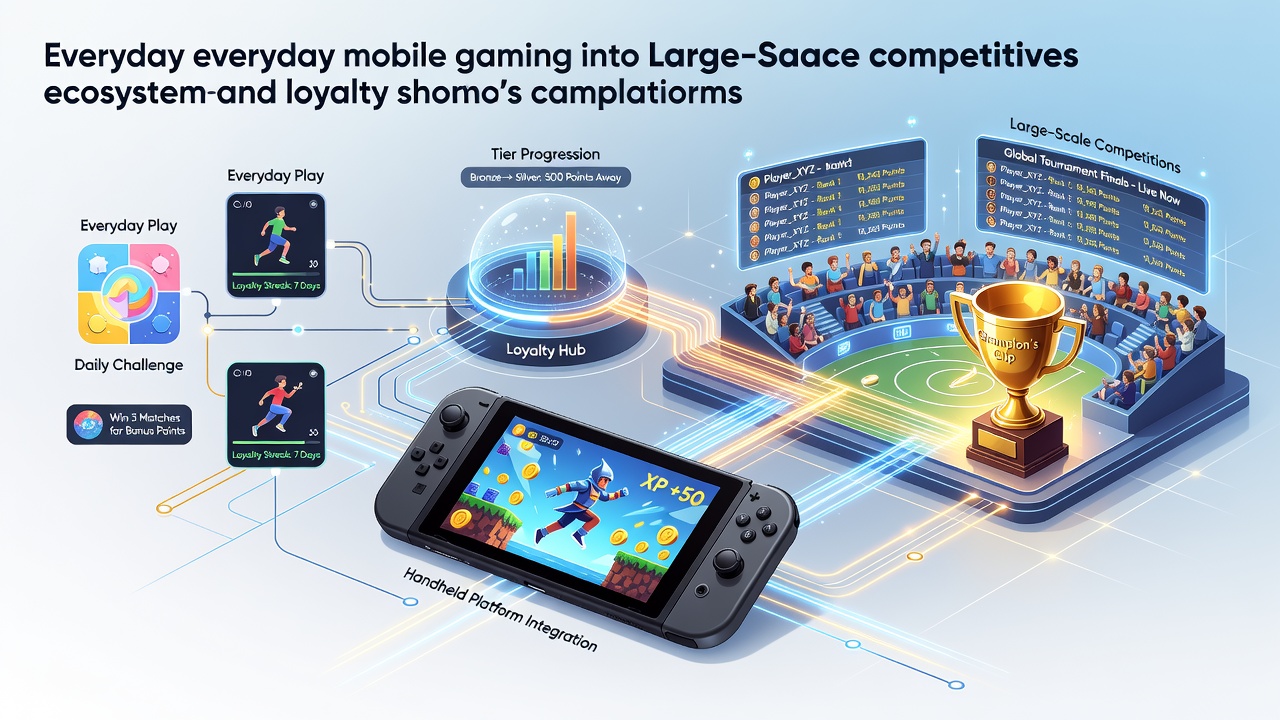
Handheld platforms integrate loyalty structures that convert routine player actions into progression markers for larger competitions, and these systems operate through point accumulation mechanisms that track spins, session duration, and deposit patterns across mobile applications. Data from industry reports shows mobile slot engagement rising steadily through 2025, with loyalty tiers serving as the connective tissue between daily activity and event-based play. Observers note that developers design these frameworks to maintain continuity, allowing users to advance from basic reward collection to qualification for bracket-style tournaments without leaving the application environment.
Core Mechanics of Point Systems on Mobile
Players earn loyalty points through standard gameplay loops on handheld devices, where each spin contributes a fixed or variable amount based on wager size and game type, and additional multipliers apply during promotional windows or streak achievements. These points feed into tiered structures that unlock access codes or entry tokens for competitions, while real-time dashboards display progress toward qualification thresholds. Research indicates that such integration reduces friction between casual sessions and structured events, as the same interface handles both reward redemptions and tournament registrations. Many platforms refresh point ledgers hourly, ensuring that daily contributions register promptly for upcoming contest cycles.
Progression from Routine Activity to Event Entry
Everyday play generates baseline metrics that accumulate toward competitive eligibility, and algorithms convert those metrics into seeds for bracket placements or buy-in credits. A user completing consistent short sessions might reach silver tier status within weeks, at which point automated prompts appear offering direct paths into regional mobile tournaments. Figures from platform analytics reveal that participants who engage loyalty features weekly show higher retention rates into multi-round events compared with non-tiered users. The transition occurs seamlessly because entry requirements often align with existing point balances, eliminating separate qualification processes in many cases.
What's interesting is how these systems layer secondary incentives, such as bonus multipliers earned from consecutive login days, that carry forward into competition scoring. Developers calibrate these elements so that modest daily habits compound into meaningful advantages during larger showdowns. According to studies on digital gaming engagement, this linkage encourages sustained interaction patterns that mirror traditional loyalty models but adapt them for touchscreen navigation and push notification delivery.
Integration with External Regulatory Frameworks
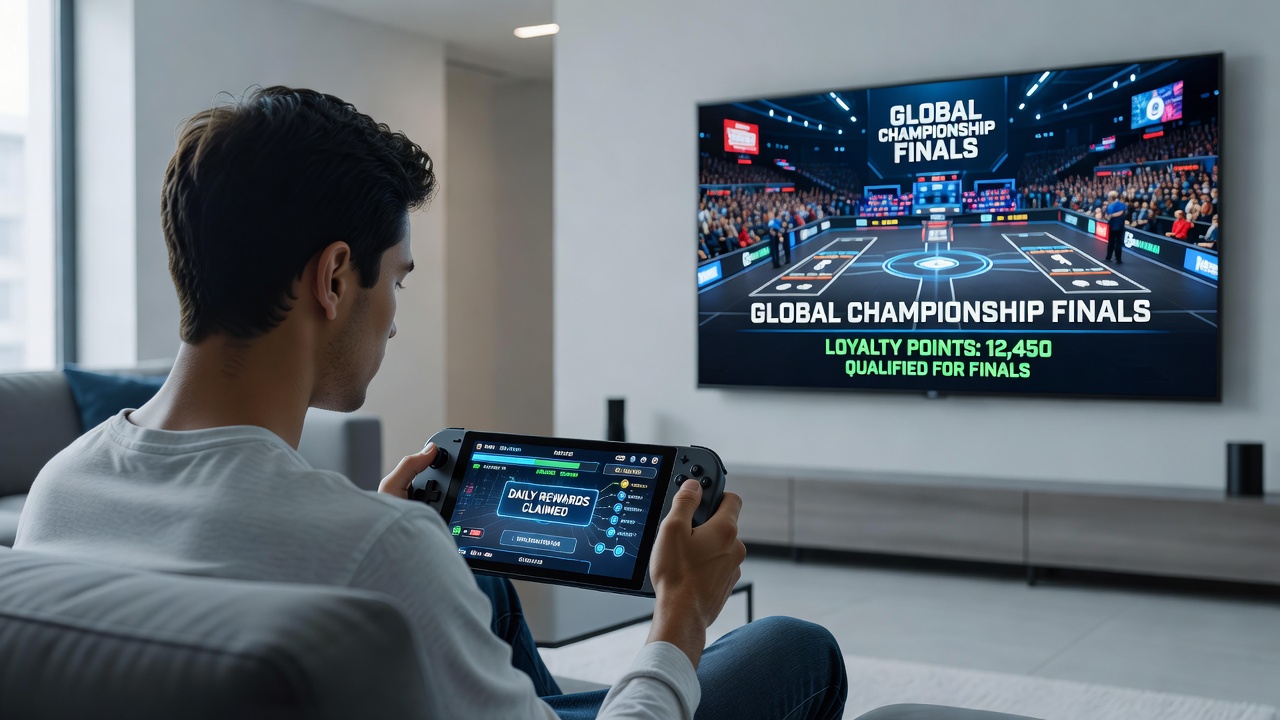
Platforms operating across jurisdictions align loyalty mechanics with oversight from bodies like the Nevada Gaming Control Board, which monitors point valuation and prize distribution to ensure compliance with fair play standards. Similar structures appear in Australian markets under guidelines from state-level authorities, where mobile operators must report aggregate progression data without disclosing individual account details. These requirements shape how competitions scale, because eligibility lists must remain transparent while protecting user privacy. In July 2026 several operators plan interface updates that embed regulatory disclosures directly into loyalty dashboards, allowing players to view compliance notes alongside their tier progress.
Case Examples from Current Deployments
One established mobile operator connects daily free spin redemptions to a monthly global bracket where top point earners receive seeded positions, and the structure uses automated verification to confirm activity logs before advancing participants. Another system, documented in trade association reports from the American Gaming Association, employs cross-game point pooling so that activity on multiple titles contributes to a unified competition pool. Those who've examined these deployments observe that handheld interfaces simplify bracket visualization through swipe navigation, while backend systems handle the heavy computation of tiebreakers and advancement criteria. External academic analysis from Canadian research institutions has examined how these loyalty bridges influence session length, finding measurable increases when daily metrics feed directly into visible competitive pathways.
Technical Architecture Supporting Scale
Cloud-based servers process point transactions in batches that update competition leaderboards every few minutes, and encryption protocols secure the data flow between individual devices and central event management modules. Developers incorporate API endpoints that allow third-party competition organizers to pull anonymized progression data for seeding purposes. This architecture supports simultaneous events at different geographic scales, from local device-based qualifiers to cross-border finals that aggregate thousands of mobile participants. Observers note that redundancy measures prevent single-point failures during peak qualification periods, maintaining continuity for users whose daily play contributes to ongoing tallies.
Conclusion
Loyalty structures on handheld platforms create measurable pathways that translate routine slot interactions into participation opportunities within large-scale competitions, and ongoing refinements in July 2026 aim to further streamline these connections through updated compliance features and interface adjustments. Data from multiple regulatory regions and industry analyses continues to document how point systems, tier progressions, and automated qualification processes function together to sustain player engagement across daily and event-based formats. These frameworks operate under established oversight mechanisms that prioritize transparency and technical reliability while accommodating the specific demands of mobile delivery.