How Expiring Rewards Influence Session Durations in Digital Machine Gaming Platforms
Katja Simmons · Jul 14, 2026
How Expiring Rewards Influence Session Durations in Digital Machine Gaming Platforms
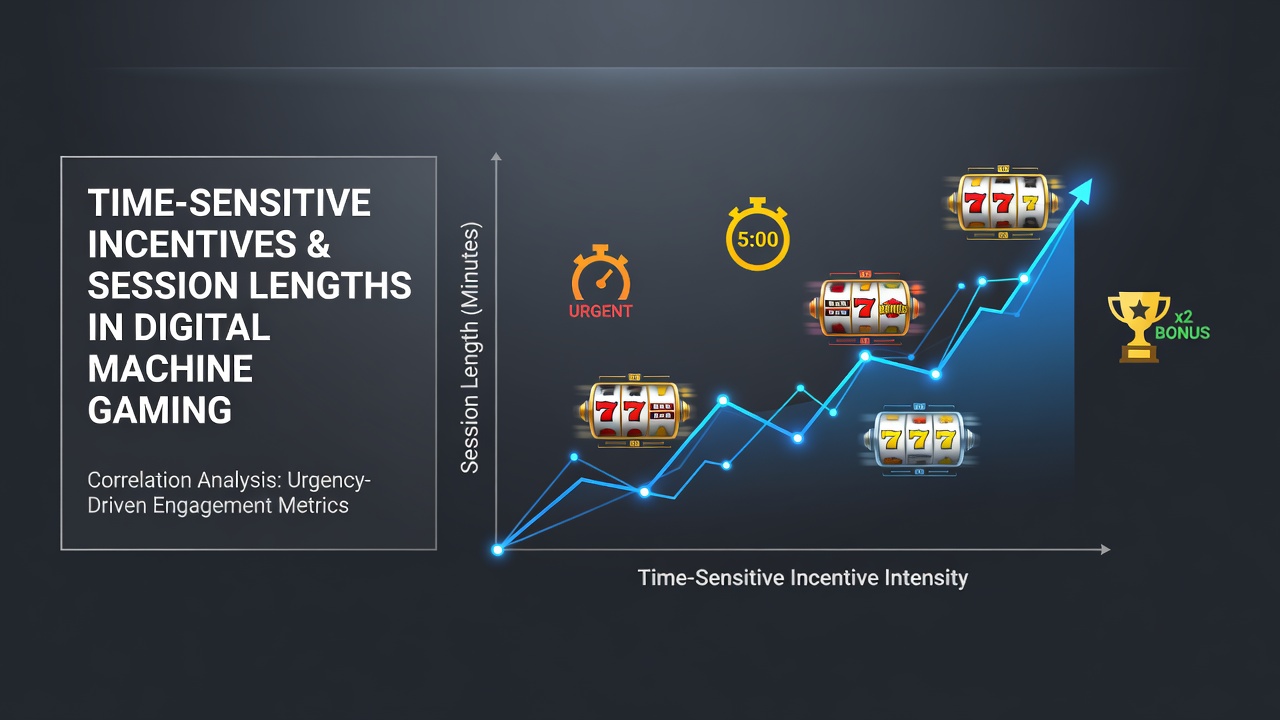
Time-sensitive incentives appear across digital machine gaming platforms in the form of countdown-based free spins, deposit matches that expire within hours, and streak rewards tied to consecutive login windows. Operators deploy these mechanics to prompt immediate participation while data tracking systems record resulting changes in how long individual sessions extend. Observers note that the presence of visible timers often aligns with measurable increases in play duration as users respond to the pressure of potential loss.
Defining Time-Sensitive Incentives in Machine Gaming
These promotions differ from standard loyalty structures because their availability shrinks according to fixed deadlines rather than player progress alone. A typical example includes 20 free spins granted at login that must be used within 60 minutes or a match bonus that disappears after three hours of account inactivity. Research from the Nevada Gaming Control Board shows operators have increased deployment of such mechanics since 2024 as engagement metrics receive closer scrutiny.
Players encounter these offers through push notifications, in-game pop-ups, and email campaigns that emphasize remaining time. The design creates a clear endpoint that encourages continued spinning once a session begins because abandoning play means forfeiting the remaining value. Industry reports indicate average session lengths rise when timers display prominently on screen compared to sessions without visible expiration cues.
Session Length Data Patterns Across Platforms
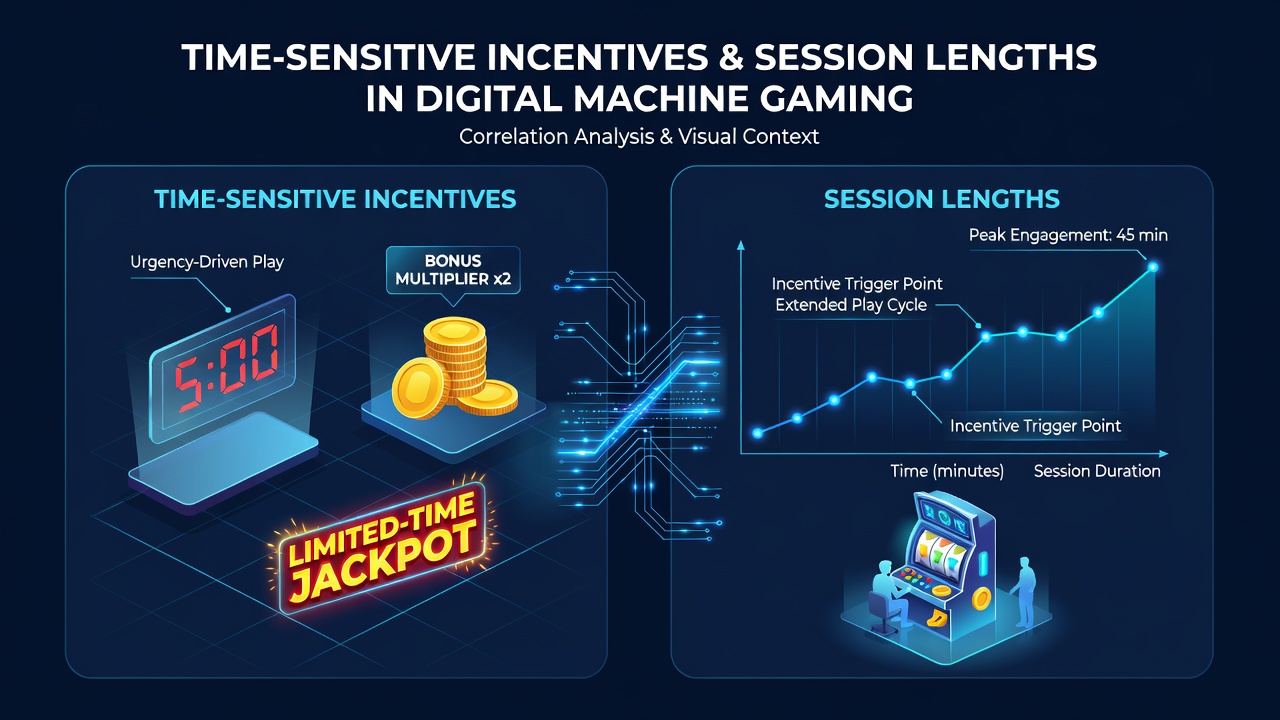
Analytics collected from multiple operators reveal consistent patterns when time-bound offers activate. Sessions started under a 90-minute bonus window average 42 minutes longer than sessions begun without such constraints according to aggregated figures from the American Gaming Association. The extension occurs because participants often chain additional spins to maximize value before the window closes rather than stopping at their usual stopping point.
Further breakdowns show that offers expiring in under 30 minutes produce the sharpest increases in duration while those lasting more than four hours generate smaller shifts. Data collected during July 2026 continues to reflect these trends as platforms refine timer visibility and notification frequency. Players who receive multiple overlapping time-sensitive rewards within one session demonstrate even greater extensions with some records indicating sessions stretching past two hours when two or more countdowns run simultaneously.
Behavioral Mechanisms Behind Extended Play
Psychological research published by the University of Nevada Reno identifies loss aversion as a primary driver when users see minutes counting down. The visible reduction in available time prompts continued interaction because stopping feels equivalent to losing the remaining spins or bonus funds. This response occurs across different player segments though frequency of play and prior exposure to similar mechanics influence the strength of the effect.
Operators also integrate these incentives with features like progressive multipliers that reset upon session end. The combination creates layered pressure where both the bonus itself and any accumulated multipliers disappear together. Studies tracking mouse and touch activity during these periods indicate heightened engagement rates once the timer drops below 15 minutes remaining. Those who study digital gaming behavior observe that players rarely pause to assess total spend during the final portion of a countdown window.
Regulatory Context adn Platform Adjustments
Jurisdictions outside the United Kingdom have begun examining these mechanics for potential impacts on player pacing. The Australian Communications and Media Authority released guidance in early 2026 requiring clearer disclosure of expiration terms while still permitting their use. Canadian provincial regulators have similarly requested operators submit session duration data tied to promotional timers as part of annual compliance reviews.
Platforms respond by adjusting timer lengths and notification cadence to maintain compliance without sacrificing the engagement lift these offers provide. Some operators now offer optional extensions purchased with loyalty points while others segment offers so that only verified adult accounts receive the most aggressive countdown formats. The adjustments reflect ongoing efforts to balance commercial objectives with emerging oversight frameworks across multiple regions.
Conclusion
Time-sensitive incentives continue to demonstrate measurable correlations with extended session lengths in digital machine gaming. Data from regulatory bodies and academic institutions shows that visible timers and short availability windows prompt users to prolong play in order to extract full value. As platforms refine these mechanics and jurisdictions introduce additional transparency requirements the relationship between expiration mechanics and session behavior remains a central area of observation for both operators and researchers through 2026 and beyond.