How Tiered Incentive Programs Maintain Long-Term Interest in Virtual Slot Communities
Elena Otto · May 28, 2026
How Tiered Incentive Programs Maintain Long-Term Interest in Virtual Slot Communities
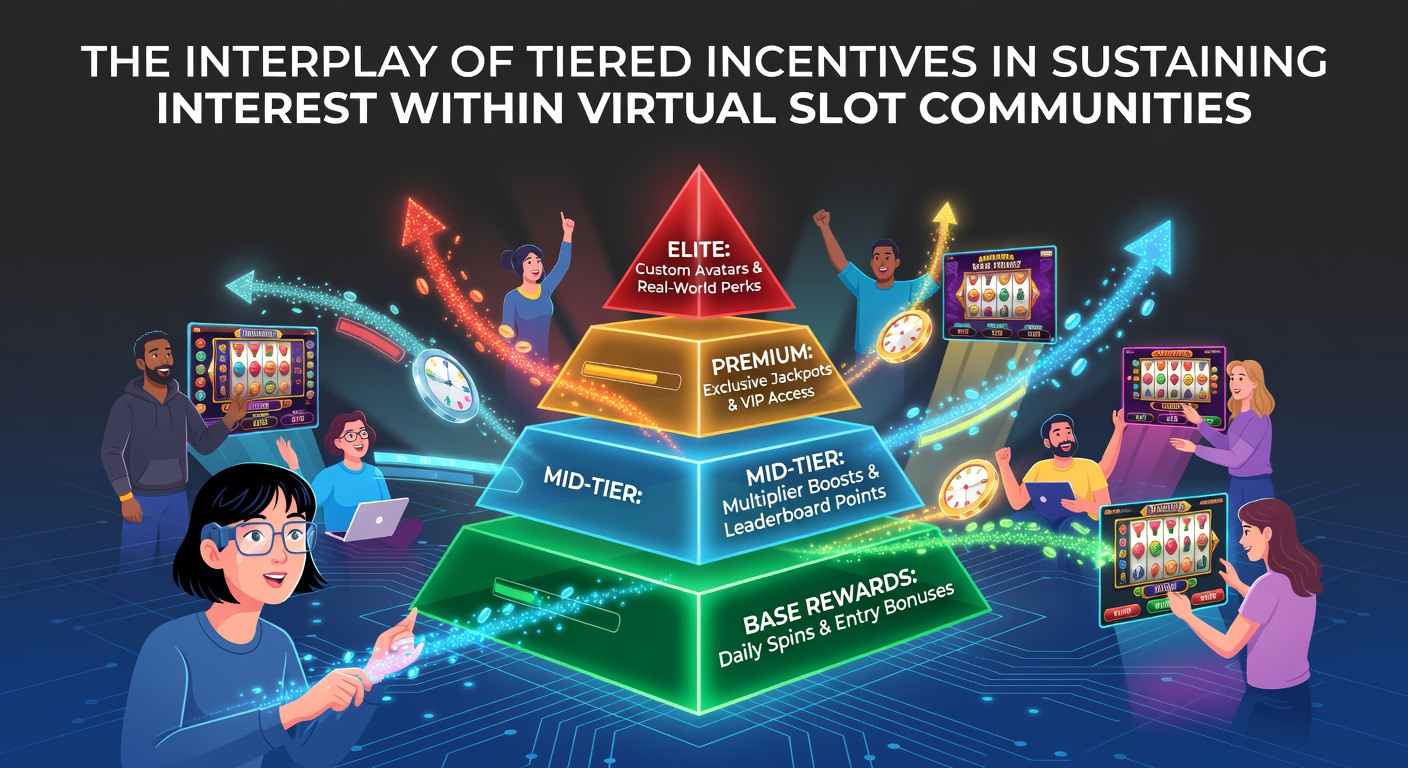
Virtual slot communities operate through structured incentive layers that build from basic access points into advanced participation systems, and this structure keeps users returning across extended periods. Operators design these tiers so each level unlocks new features while preserving connections to lower stages, creating pathways that reward consistent activity without abrupt shifts.
Core Components of Tiered Systems
Entry tiers typically grant standard game access along with simple progress trackers that log session length and frequency. Mid-level tiers introduce community tools such as group challenges and shared leaderboards that link individual performance to collective outcomes. Higher tiers add exclusive events where participants coordinate strategies in real time, and these events often reference achievements earned at earlier stages to maintain continuity across the entire system.
Data from industry reports compiled in May 2026 shows that platforms maintaining at least four distinct tiers experience higher average session counts compared with those using fewer divisions. The progression mechanics ensure that users who advance do not lose visibility into community activities they once joined at lower levels, which helps preserve social ties formed early in the process.
Interconnections Between Incentive Layers
Tiered programs link rewards through shared metrics such as total play volume and peer endorsements. A user who completes tasks in a mid-tier event can apply those results toward higher-tier qualifications while still receiving recognition in entry-level forums. This overlap prevents fragmentation where advanced participants drift away from newer members.
Researchers at the University of Nevada Reno documented how overlapping reward structures in digital gaming environments reduce dropout rates after the first three months of activity. Their analysis highlighted that when higher tiers reference accomplishments from lower tiers, participants maintain broader network connections rather than isolating within elite subgroups.
Community features gain strength when they span multiple incentive levels. Forums and chat channels remain accessible to all tiers, yet higher levels receive moderation tools that allow experienced users to guide discussions. This arrangement lets newcomers learn directly from long-term members without requiring separate onboarding processes.
Role of External Benchmarks
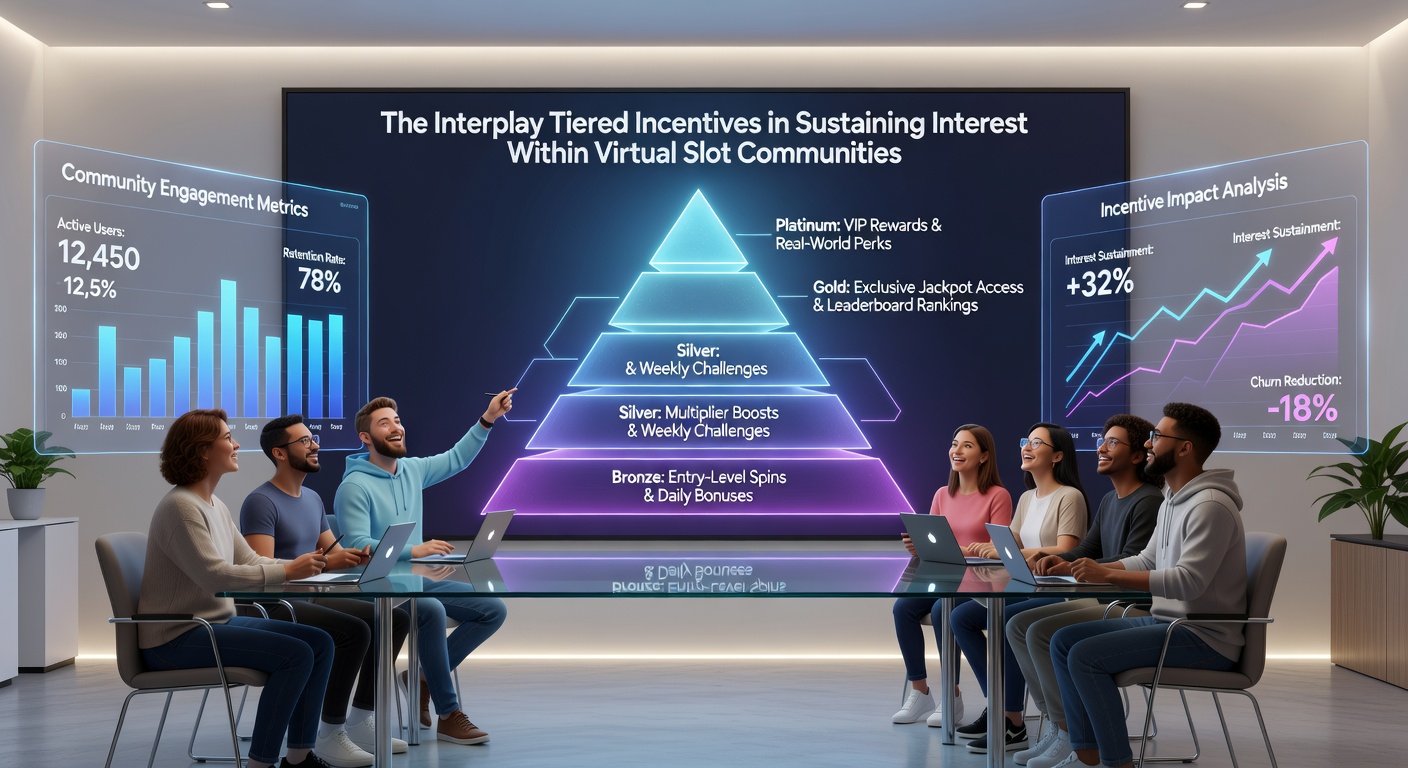
Regulatory updates issued by the Nevada Gaming Control Board in early 2026 emphasize transparency requirements for tier qualification criteria. Platforms must publish clear advancement rules that show how activity at one level contributes to the next, and this disclosure helps users understand the full progression map before committing extended time.
Industry associations such as the Canadian Gaming Association track retention patterns across tiered models and report that communities incorporating cross-tier events sustain participation rates above baseline figures recorded in single-tier environments. These events often combine elements from multiple levels into unified competitions that reward both individual milestones and group contributions.
Measurement of Sustained Engagement
Operators monitor engagement through metrics that include return frequency, cross-tier interaction counts, and duration of community posts. Studies indicate that when lower-tier users receive invitations to observe higher-tier activities, overall platform activity increases because visibility into future possibilities encourages continued participation.
One documented case involved a platform that introduced tier-spanning mentorship pairings in 2025. Participants at mid-levels who mentored entry users showed elevated retention six months later, while the entry users advanced faster than those without such pairings. The structure relied on incentive credits earned at each level that carried forward rather than resetting upon advancement.
Future Directions for Tier Integration
Developments projected for late 2026 include expanded use of shared virtual spaces where all tiers collaborate on collective goals. These spaces build on existing tier mechanics by adding layers that recognize contributions from every participation stage within a single event framework. Such designs aim to further reduce separation between user groups while preserving the distinct benefits attached to each tier.
Academic papers from institutions studying digital behavior patterns continue to examine how these interconnected systems influence long-term user commitment. Findings suggest that the interplay between tiers functions most effectively when advancement paths remain visible and when community features operate across rather than within isolated levels.
Conclusion
Tiered incentive structures sustain interest in virtual slot communities by linking progression stages through shared metrics, visible pathways, and cross-level activities. The connections between layers allow users to maintain relationships formed at earlier stages while pursuing advanced opportunities, and external benchmarks from regulatory and research sources continue to shape how these systems evolve. As platforms refine these interconnections, the focus remains on preserving continuity across all participation levels.