The Framework of Layered Incentives in Digital Slot Engagement
Katja Simmons · May 31, 2026
The Framework of Layered Incentives in Digital Slot Engagement
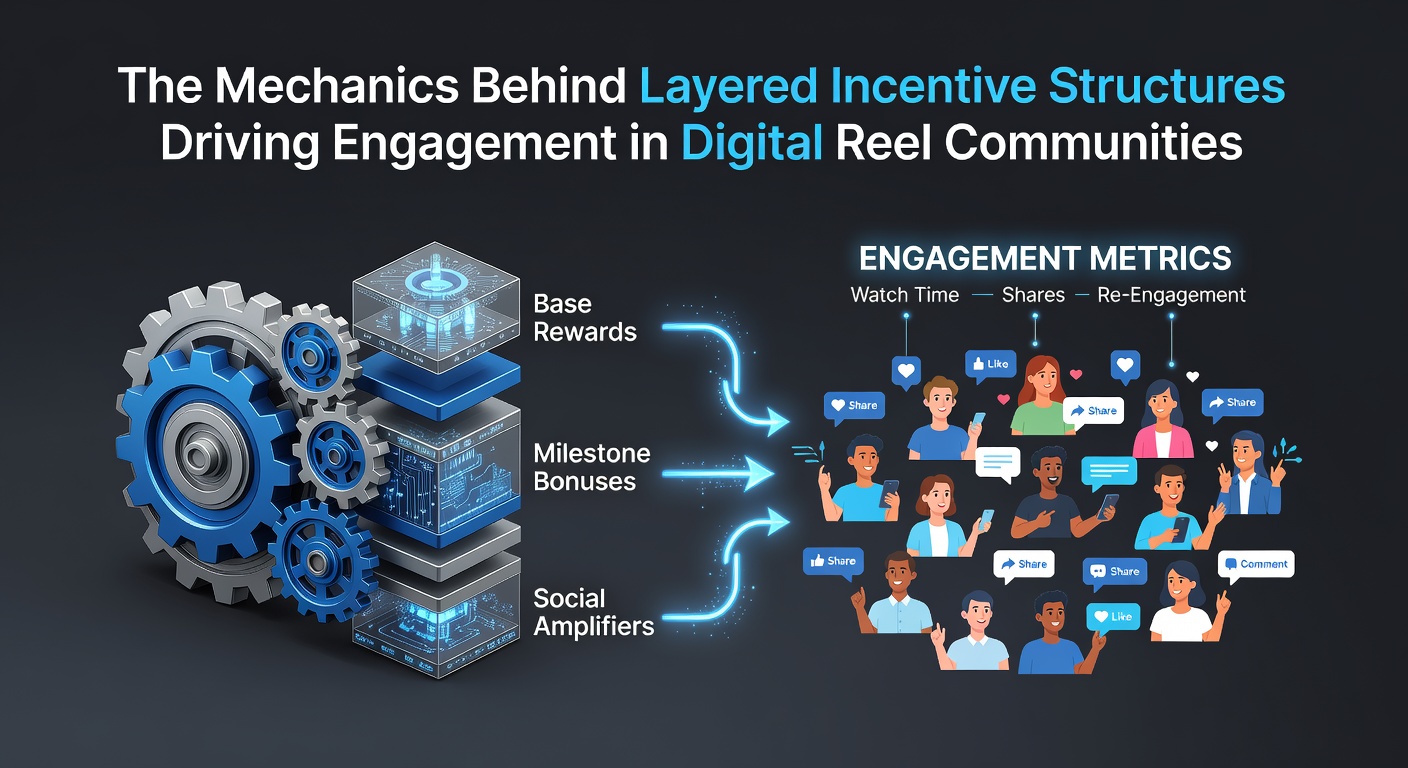
Layered incentive structures operate through sequenced reward tiers that connect initial player actions with sustained platform activity, and research from multiple gaming authorities tracks how these systems allocate bonuses across deposit triggers, play volume, and milestone completions.
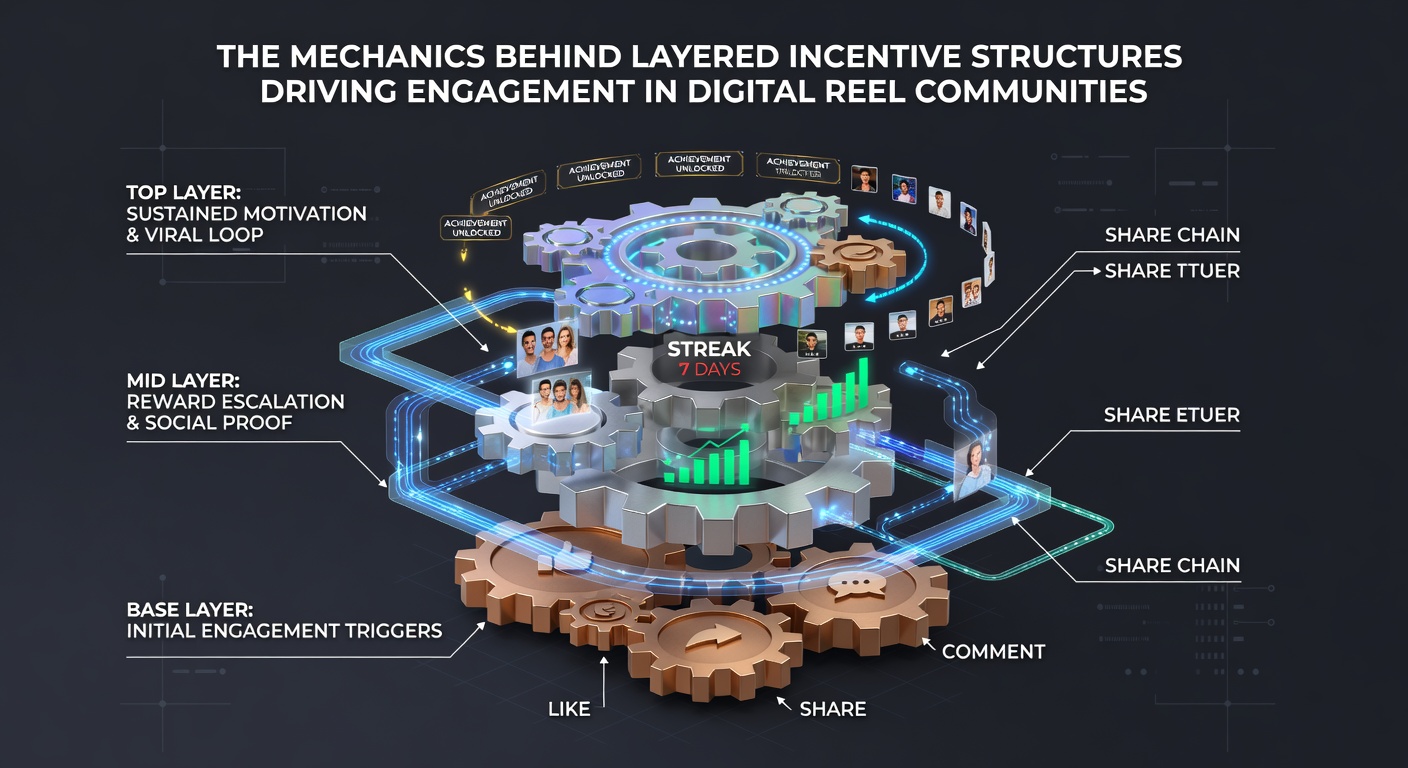
Operators deploy base layers consisting of entry-level offers such as free spin allocations or small deposit matches that activate upon account registration or first deposit, while subsequent layers unlock through tracked metrics including total wagers, session frequency, and achievement of set targets within defined timeframes.
Core Allocation Mechanisms
Systems record every spin outcome and wager amount in centralized databases, then apply algorithms that calculate eligibility for the next incentive tier based on cumulative data points, and this process repeats across daily, weekly, and monthly cycles to maintain continuity in player returns. Figures released in May 2026 by the Australian Gambling Research Centre indicate that platforms using at least four distinct layers report average session extensions of 18 to 27 minutes compared with single-layer models.
Progression rules often incorporate both deterministic thresholds, such as reaching a fixed wager total, and randomized elements like mystery multipliers that appear after specific spin counts, and these combinations create varied pathways that adapt to individual play patterns without requiring manual intervention from support teams.
Data Integration Across Platforms
Cross-device tracking links mobile app sessions with desktop logins through unique player identifiers, allowing reward progress to carry forward regardless of access method, while tournament entries and event-based boosts feed additional data streams into the same central ledger. One analysis conducted by the Nevada Gaming Control Board documented that integrated tracking systems reduced reward duplication errors by 41 percent across sampled operators during the first quarter of 2026.
Personalization engines segment users according to historical behavior clusters, then route different layer sequences to each segment, and operators adjust weighting factors for deposit frequency versus spin volume depending on observed retention curves for each group. External reports from the European Gaming and Betting Association confirm that such segmentation correlates with higher completion rates for mid-tier challenges across participating jurisdictions.
Retention Tracking and Adjustment Loops
Daily dashboards compile completion rates for each incentive layer, and operators modify trigger values or reward sizes in response to these metrics, creating feedback loops that refine the structure over successive periods. Data shows that platforms revisiting layer parameters monthly maintain steadier month-over-month active user counts than those applying static configurations.
Hidden sub-layers sometimes activate after prolonged inactivity, presenting re-engagement offers calibrated to prior spend levels, and these conditional branches rely on the same underlying data architecture without altering the visible progression path for active users. Observers note that this approach allows operators to address churn signals while preserving the primary layered sequence.
Conclusion
The mechanics rest on continuous data capture, threshold-based unlocking, and iterative parameter tuning that together sustain engagement cycles across digital reel communities, and ongoing reports from regulatory and academic sources continue to map how these frameworks evolve with platform scale and player volume.