The Loyalty Cycle in Online Slots: No Deposit Rewards Fueling Mobile Tournament Participation
Elena Otto · Aug 4, 2026
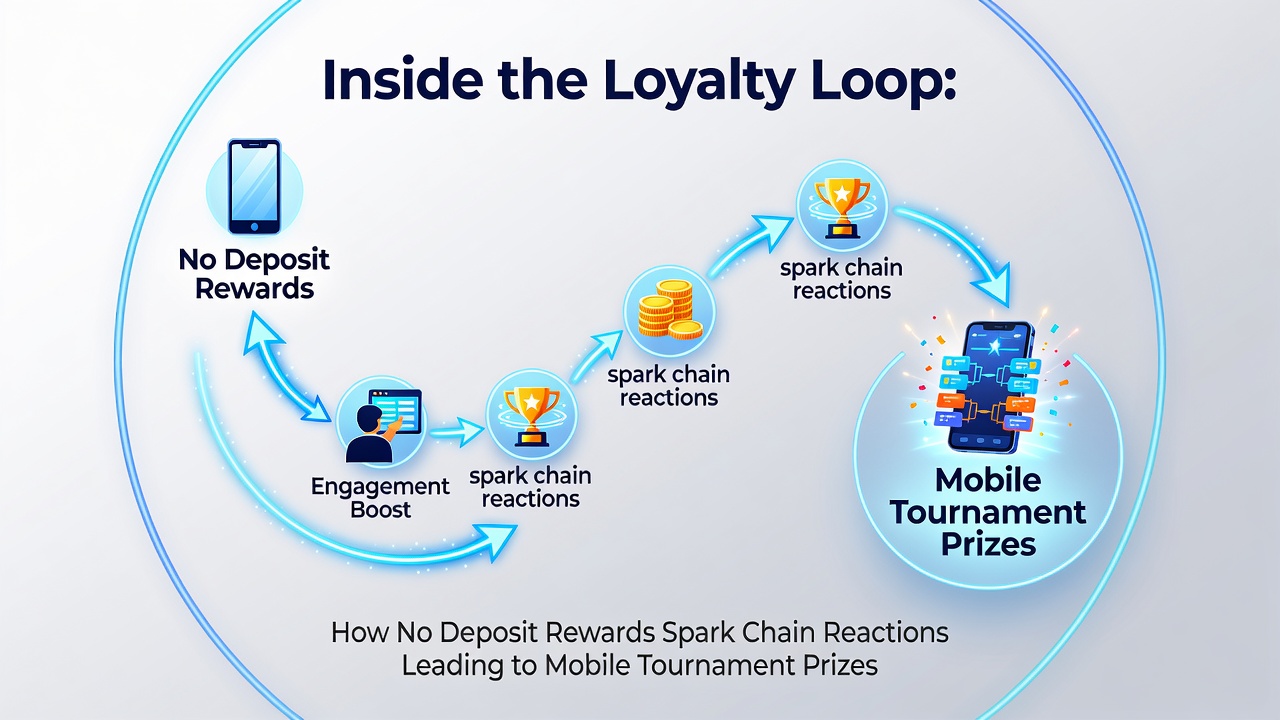
The Loyalty Cycle in Online Slots: No Deposit Rewards Fueling Mobile Tournament Participation
Data from industry reports shows that no deposit rewards function as entry points in player engagement sequences where initial free credits transition into structured deposit activities and eventually into competitive mobile events, and this progression relies on platform algorithms that track spin volumes and session lengths across devices.
Mechanics of Initial Reward Activation
Operators structure no deposit offers as account verification incentives that credit small balances upon registration, and these amounts typically range from £5 to £20 depending on jurisdiction while requiring specific wagering multiples before any withdrawal eligibility applies, according to analyses from the New Jersey Division of Gaming Enforcement. Players receive these credits through email or app notifications, and the systems automatically log activity to determine eligibility for subsequent tiers such as daily login multipliers or streak-based top-ups.
Progression from Free Credits to Deposit Incentives
Once the initial balance reaches a threshold, platforms trigger deposit match promotions that scale with the player's prior activity level, and this layering creates a documented pathway where free play sessions convert into paid rounds at rates observed in aggregated transaction data from multiple European operators. Researchers at the University of Nevada Reno's gaming studies department have documented how these sequences increase average session duration by integrating time-limited deposit windows that expire within 24 to 72 hours of the no deposit claim.
What's notable here is the way mobile optimization accelerates the shift, since push notifications on smartphones allow instant access to matched funds without desktop login requirements, and this convenience factor correlates with higher conversion metrics in platform reports.
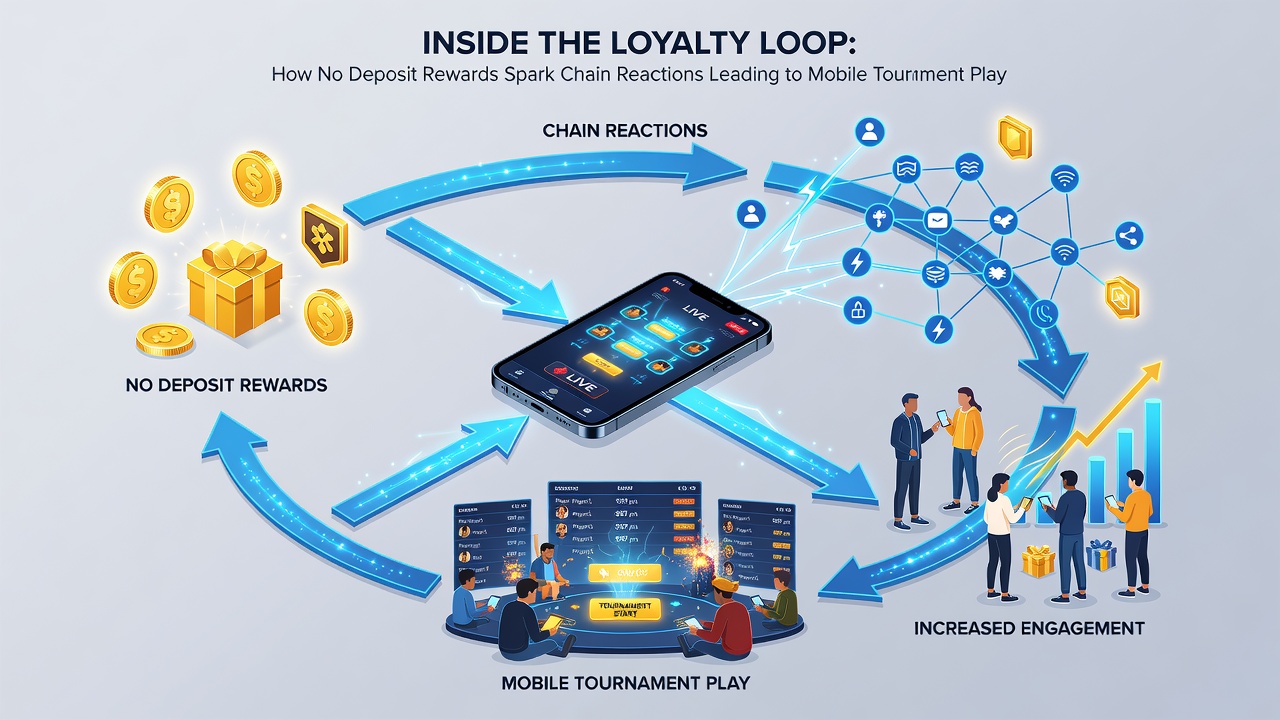
Entry into Tournament Structures
Accumulated loyalty points from both no deposit and deposit phases unlock tournament brackets where participants compete for cash or bonus prize pools using standard slot mechanics, and these events often run weekly on mobile apps with leaderboards updated in real time. Participation requires a minimum number of qualifying spins completed during the promotional window, and data indicates that players who began with no deposit offers represent a measurable share of entrants in several documented campaigns.
August 2026 saw expanded mobile tournament formats across multiple operators as device compatibility updates allowed seamless cross-platform scoring, and this development aligned with broader adoption of unified account systems that carry loyalty balances between free and paid modes without reset.
Chain Reaction Patterns in Player Retention
Observers note that the transition from isolated free spins to recurring tournament invitations depends on consistent point accrual rules that reward frequency rather than stake size alone, and this design encourages repeated logins through scheduled mobile alerts. Industry associations such as the European Gaming and Betting Association have compiled statistics showing that loyalty loop participants maintain accounts active for longer periods when tournament access serves as the recurring milestone.
One case documented by platform analysts involved sequences where a single no deposit activation led to three deposit events within ten days and subsequent entry into a mid-tier mobile competition, illustrating the multiplier effect built into the progression mechanics. Systems flag these patterns to adjust future offer values, ensuring the rewards remain proportional to demonstrated engagement levels.
Conclusion
The documented flow from no deposit rewards through deposit stages into mobile tournament access forms a measurable engagement loop across online slot environments, and continued platform refinements in August 2026 and beyond will likely emphasize real-time mobile integration to sustain these sequences. Regulatory bodies in various regions continue to monitor the transparency of point conversion rules while data from academic and industry sources tracks the resulting participation rates in competitive formats.